Identifying the Bottleneck in Energy Management During Busy Workdays
At the kitchen table, the laptop screen glows with a calendar packed with overlapping meetings, each one inching closer in time. Notifications ping from various browser tabs, pulling attention away from the one crucial task that needs focus. A reminder popup steals the next ten minutes, as the mind races through admin tasks that crowd out real work. The clutter on the screen mirrors the clutter in thought, making it hard to prioritize what truly matters amidst the chaos of back-to-back video calls.
As the clock ticks down to the next meeting, the instinct to switch tasks kicks in, but this often leads to a cycle of unfinished work. The browser tab row is a visual representation of scattered energy—each open tab a potential distraction, each notification a reminder of what’s left undone. Without a visible task list to guide the day, it becomes easy to lose sight of priorities. Closing those unused tabs could be a small yet pivotal step in reclaiming focus, but in the rush, it often gets overlooked. This hidden friction in managing energy, particularly on busy meeting days, can create significant bottlenecks that hinder productivity.
The Overlooked Setup of a Busy Workday
The kitchen table is cluttered with a laptop, stacks of papers, and a buzzing phone, all competing for attention. In the midst of this chaos, the screen displays a calendar filled with back-to-back meetings, each blocking out precious time that could be spent on actual work. As notifications pop up, the instinct to switch gears pulls focus away from the task at hand. A reminder for a small admin task steals a moment that could have been used for deep work, creating a ripple effect of distraction that lasts far longer than the initial interruption.
Without a visible task list pinned to the wall or a dedicated space for desk planning, it’s easy to lose track of priorities. The browser tab row is a constant reminder of what’s left undone, each open tab a potential distraction. Closing those unused tabs should be a first step in reclaiming focus, yet it often gets pushed aside in the rush of the day. When the task list exceeds the available time, the mental split between tools, tasks, and notifications becomes overwhelming. The clutter on the table mirrors the clutter in thought, making it difficult to maintain energy and flow throughout the day.
Steps That Slip Through the Cracks
At the kitchen table, surrounded by an array of open browser tabs, the clutter becomes a visual representation of mental chaos. Each tab, whether it’s a project update or a social media notification, serves as a potential distraction, pulling attention away from the main tasks. The instinct to check these tabs can lead to a significant energy drain, especially on busy meeting days when focus is paramount. Closing unused tabs should be a priority, yet it often gets overlooked in the rush to stay connected.
Scheduled breaks are another critical aspect that frequently gets ignored. Without them, energy levels plummet, leading to burnout by the end of the day. For instance, skipping a five-minute stretch after an hour of back-to-back meetings can result in a sluggish mind, making it harder to engage in the next task. The physical act of standing up and stepping away from the table can reset focus, but the temptation to push through often wins out.
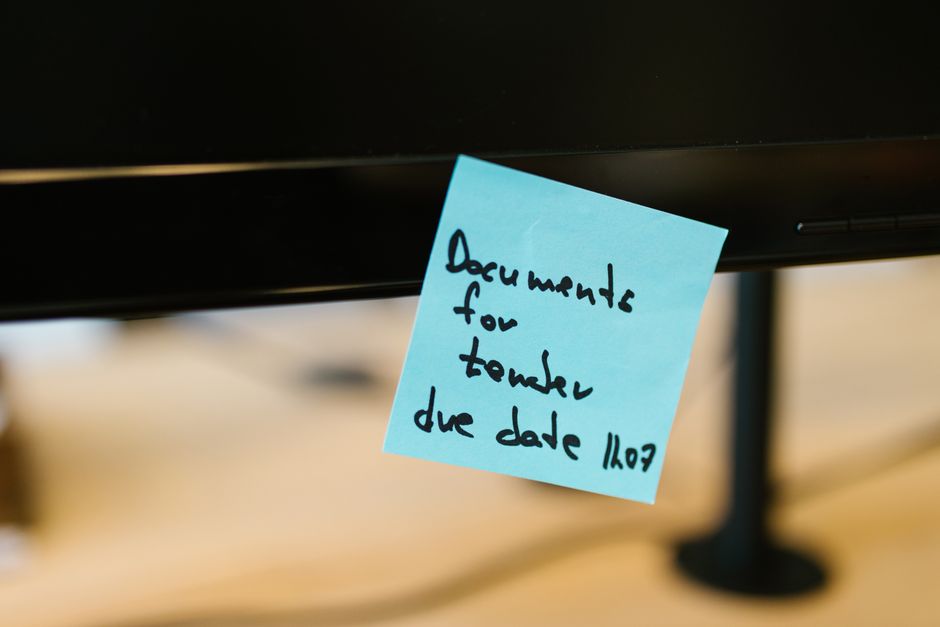
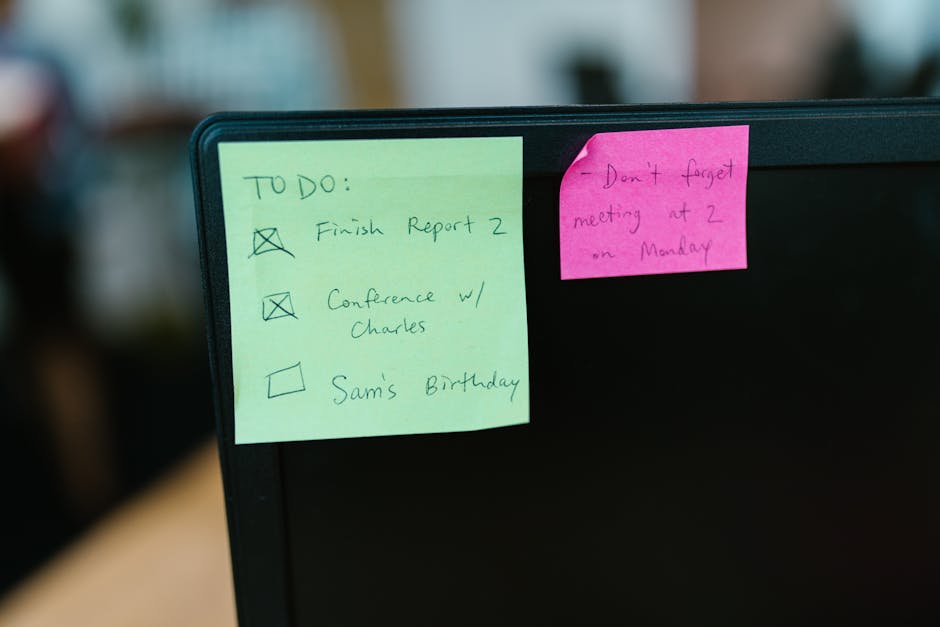
One overlooked step is the failure to consolidate tasks into a single visible list. When the task list sprawls across multiple sticky notes and scattered reminders, it becomes challenging to prioritize effectively. This fragmentation can steal precious time as the mind shifts between different reminders, each demanding attention. Instead, keeping a single, clear task list pinned to the wall can streamline focus and reduce the cognitive load. This simple act of organization can transform a chaotic day into a more manageable one, allowing for a smoother workflow.
The Notification Trap: A Major Bottleneck
A slightly different version of this problem appears in Focus Without Burnout, where the sequence changes but the hidden drag feels familiar.
During a busy meeting day, the browser tab row can become a minefield of distractions. Each reminder popup is a potential derailment, often consuming ten minutes or more. For instance, when a notification for a scheduled task appears, it can lead to a flurry of clicks—first checking the task, then responding to an email that popped up in the corner of the screen. This sequence can easily pull focus away from the critical work at hand, especially when the task list is already overflowing.
Small admin tasks, like responding to those emails or checking off minor reminders, can overshadow more significant projects. If you have a calendar block set for focused work, a single reminder can disrupt that entire session, leading to a cascade of delays. Each distraction not only consumes time but also fragments your thought process, making it harder to regain momentum.
To combat this, try closing unused tabs before starting a work session. This simple action reduces the visual clutter and minimizes the chances of falling into the notification trap. Additionally, keep a visible task list pinned to your workspace. When you glance at a single, consolidated list instead of scattered reminders, it becomes easier to prioritize and stay on track. This adjustment can help prevent the small tasks from crowding out the real work, ensuring that your focus remains sharp and your workflow uninterrupted.
Reordering Your Energy Flow for Better Focus
If this pattern keeps repeating, Decision Fatigue Management extends the idea without leaving the niche.
On busy meeting days, it’s easy to let small tasks overshadow critical work. Picture this: your kitchen table is cluttered with notebooks, a laptop, and a half-drunk cup of coffee. The browser tab row is filled with open pages—emails, reminders, and a project document. Each of these tabs competes for your attention, and as you prepare for your next video call, a reminder popup steals ten minutes from your focus block. This interruption can throw off your entire workflow, especially when the task list is longer than the time available.
To regain control, start by implementing a calendar block specifically for focused work sessions before any meetings. Schedule these blocks in the morning when your energy is highest, and make it a rule to close all unused tabs beforehand. This action not only clears visual clutter but also minimizes the temptation to switch tasks. With a single, visible task list pinned to your workspace, you can prioritize effectively. Instead of glancing at scattered reminders, focus on one task at a time.
By rearranging your workflow in this way, you create a more streamlined energy flow. The sequence of closing tabs, prioritizing tasks, and then diving into focused work can prevent small admin tasks from crowding out significant projects. This adjustment not only enhances your concentration but also ensures that you can tackle substantial work without being derailed by minor distractions.
What Runs More Smoothly After That
When you close unused tabs on your browser, the immediate effect is a noticeable reduction in visual clutter. Instead of a chaotic row of open pages vying for your attention, you’re left with only the essential tools needed for your current task. This simple act can significantly reduce the mental load during busy meeting days, where task switching often leads to inefficiencies.
With a single, visible task list pinned to your workspace, you can now focus on what truly matters. When your attention isn’t divided between multiple reminders and scattered tasks, you can dive deeper into your work sessions. For instance, if a reminder popup typically steals ten minutes of your focus, eliminating those distractions allows you to reclaim that time. Instead of being pulled away by small admin tasks, you can concentrate on larger projects, leading to a smoother workflow.
By implementing this sequence—closing tabs first, then checking your task list—you create a streamlined process that transforms how you engage with your workload. The tradeoff is clear: while you may feel the urge to multitask, resisting that impulse to focus on one task at a time enhances your overall productivity. This adjustment makes it easier to navigate through your day, especially when the task list is longer than the time available.
On busy meeting days, the clutter of open tabs and reminders can easily become a bottleneck in your workflow. When you sit down at your kitchen table, take a moment to close any unused browser tabs. This small action can significantly reduce distractions, allowing your focus to sharpen on the tasks that truly matter. If you notice a reminder popup stealing your attention, that’s a sign you’re spread too thin. Instead, prioritize your visible task list and tackle one item at a time.
As you navigate through your day, remember that managing energy effectively means recognizing these friction points. When your task list feels overwhelming, check that you’ve cleared away distractions first. This simple adjustment helps create a clearer path for your focus blocks, ensuring that you can engage deeply with your work sessions rather than getting sidetracked by small admin tasks. By refining your attention management, you can transform how you handle busy days.