Navigating Desk Planning: When Good Intentions Meet Reality
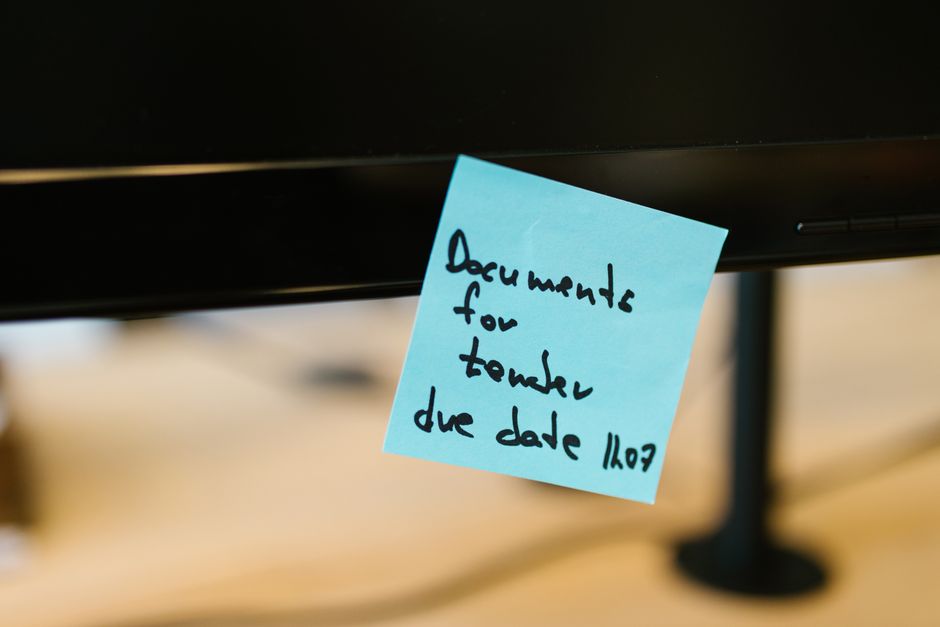
It’s a Wednesday afternoon, and the clock on the wall reads 2:30 PM. The desk is cluttered with sticky notes, a half-finished cup of coffee, and a laptop screen filled with multiple tabs—each one a reminder of tasks yet to be tackled. You glance at the task list, which seems to stretch endlessly, and the pressure mounts as you realize that the energy you had hoped to harness for productivity is slipping away. Each time you switch between the calendar app and your to-do list, it feels like another piece of focus is lost, leaving you with a nagging sense of frustration.
As you attempt to block out time for a focus session, the reality of task switching becomes evident. The intention to manage energy instead of time is overshadowed by the sheer volume of reminders and alerts vying for your attention. You find yourself caught in a loop of planning that doesn’t align with your actual energy levels. The calendar blocks you set up feel more like constraints than guides, and the friction between your good intentions and the reality of your workflow habits becomes increasingly apparent. Small adjustments in your approach to desk planning could be the key to reclaiming that lost focus and productivity.
A Morning at the Desk: The Weight of Good Intentions
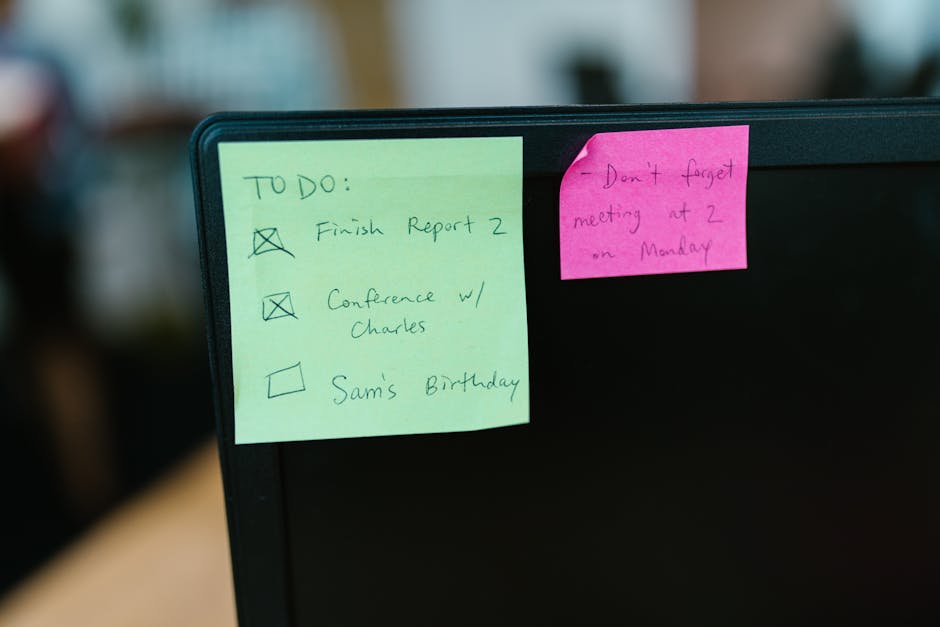
On an ordinary weekday morning, the desk is a chaotic blend of sticky notes, half-filled notebooks, and a glowing laptop screen. Each sticky note bears a reminder of tasks that seem to multiply by the minute, while the laptop displays a calendar filled to the brim with color-coded blocks. You sit down with a cup of coffee, ready to tackle the day, but the moment you open your task list, a wave of overwhelm washes over you. The list stretches far beyond the time you have available, and the clutter around you feels like a physical manifestation of the mental load you’re carrying.
As you attempt to prioritize your tasks, the constant ping of notifications from various apps pulls your attention in multiple directions. You glance at the calendar app, then back to your to-do list, only to find yourself caught in a cycle of task switching. Each switch feels like a small loss of focus, making it harder to settle into a productive work session. The good intentions behind your desk planning, meant to harness your energy, begin to fray as the reality of your fragmented attention sets in. You realize that the energy you hoped to manage is slipping away, buried under the weight of reminders and alerts.
Before the day progresses further, consider clearing off the desk and simplifying your task list. A small adjustment, such as limiting the number of tasks you focus on at once, can help align your intentions with your actual energy levels.
The First Signs of Slipping Focus
It's a typical Wednesday morning, and your desk is cluttered with an array of tools: a laptop, a notebook filled with scribbled ideas, and a calendar app open on your second screen. You start the day with a clear intention to tackle your task list, but as you begin to switch between multiple tabs, the initial enthusiasm begins to wane. Each time you glance at a new notification, whether it’s a reminder about a meeting or an email alert, your attention fractures. The calendar block you set for focused work feels increasingly distant as you juggle between tasks, losing sight of the energy you aimed to harness.
Then comes the moment of realization: you missed a crucial check-in that was supposed to happen an hour ago. This delay not only disrupts your workflow but also adds a layer of frustration. You sit back, feeling the weight of the uncompleted tasks pressing down on you. The energy you had hoped to manage is now overshadowed by the consequences of split attention. As the clock ticks on, you find it harder to regain your focus, each distraction pulling you further from the productivity you envisioned at the start of the day.
In this state, desk planning becomes a source of stress rather than a solution. The tools meant to aid your productivity now feel like obstacles. You realize that the very act of managing your energy has been compromised by the chaotic interplay of task switching and notifications. Acknowledging this friction is the first step towards making a small adjustment, like consolidating your tasks into fewer blocks, which could help reclaim your focus and restore your energy for the remaining work sessions.
Understanding the Friction: Attention Management
On a typical weekday, your desk is cluttered with sticky notes, an overflowing task list, and multiple browser tabs vying for your attention. As you attempt to tackle your calendar blocks, the constant ping of notifications pulls you away, splitting your focus. This fragmentation drains your energy, making it difficult to maintain the workflow habits you intended to establish. Even with the best of intentions, managing your energy often falters due to the very distractions meant to enhance your productivity.
- Task Switching: Jumping between tasks can feel efficient, but it often leads to a loss of momentum and clarity.
- Excessive Notifications: Each alert interrupts your thought process, making it harder to regain focus and increasing cognitive load.
- Unclear Priorities: Without a clear hierarchy of tasks, you may spend energy on less important items, leaving critical tasks unfinished.
These pitfalls create a hidden tradeoff: while you aim to be productive by multitasking or staying updated, you inadvertently exhaust your mental resources. Good intentions around managing energy can fall flat when the daily setup lacks structure, leaving you overwhelmed and unproductive. A simple adjustment, like silencing notifications during focus blocks, can help mitigate this friction and allow you to channel your energy more effectively into the tasks that truly matter.
A Simple Shift: The Power of a Focus Block
During a typical weekday, the desk can quickly become a battleground of distractions. With a task list that stretches beyond the available hours, attention often splits between multiple tabs, reminders, and tools. This chaotic routine can lead to a frantic energy drain, where the intention to manage energy is overshadowed by the overwhelming noise of task switching. Each time the phone buzzes or a new email pings, it pulls focus away from the task at hand, creating a cycle of lost momentum and scattered thoughts.
Integrating a focus block into your desk planning can transform this chaotic energy into a streamlined workflow. For instance, rather than allowing tasks to bleed into one another, designate a specific 25-minute block solely for a single task. This small sequence change not only creates a clear boundary but also signals to your brain that it’s time to concentrate deeply. By silencing notifications and closing unnecessary tabs during this block, distractions are minimized, allowing for a more profound engagement with the work. This simple decision rule—commit to a focus block before diving into the day’s tasks—can significantly enhance productivity.
As you adapt this adjustment into your existing desk planning routine, consider setting a timer on your phone or using a dedicated app to track these focus blocks. This setup not only reinforces the commitment to energy management but also helps in recognizing when to shift gears. The result is a more intentional use of energy, allowing you to tackle the longer task list with clarity and purpose, rather than feeling overwhelmed by it.
When the task list stretches beyond the available hours, it’s easy to slip into a reactive mode, constantly switching between tools and reminders. This scattered approach often leads to frustration, as energy is drained by the very act of trying to manage time without a clear focus. Instead of allowing tasks to dictate your energy, consider re-evaluating your desk planning setup. By intentionally creating focus blocks and aligning them with your natural energy peaks, you can shift from a frantic scramble to a more deliberate workflow.
Next time you sit down to plan your day, take a moment to assess your energy levels. Identify the times when you feel most alert and capable, and reserve those slots for your most demanding tasks. This small adjustment can transform how you approach your workload, making it possible to engage with your tasks more effectively. A simple check-in with your energy before diving into your calendar can set the tone for a more productive day.