Rethinking Your Energy Management: Why the Default Approach Fails
Each notification pulls my attention in a different direction, making it impossible to focus on the three priority tasks I had planned for the day. I glance at my calendar, which shows a block of time set aside for a focus session, yet I find myself distracted by the constant ping of incoming messages. The task list feels longer than the hours left in the day, and I’m stuck in a loop of task switching that drains my energy instead of directing it.
As I attempt to prioritize, I realize that I’ve skipped a crucial step in my desk planning: I haven’t rewritten my top three tasks for the session. Without that clarity, I’m left floundering between tabs, unsure of what to tackle first. It’s not just about managing time; it’s about managing the energy that fuels our focus and productivity throughout the day.
The Default Routine: Juggling Tasks and Notifications
Stacks of browser tabs clutter the screen, each one a reminder of unfinished tasks. As I sit at my desk, the faint hum of my computer mixes with the constant ping of Slack notifications. I glance at my calendar, where a focus block is scheduled, but the moment I try to dive into my top three tasks, an email alert pops up, pulling my attention away.
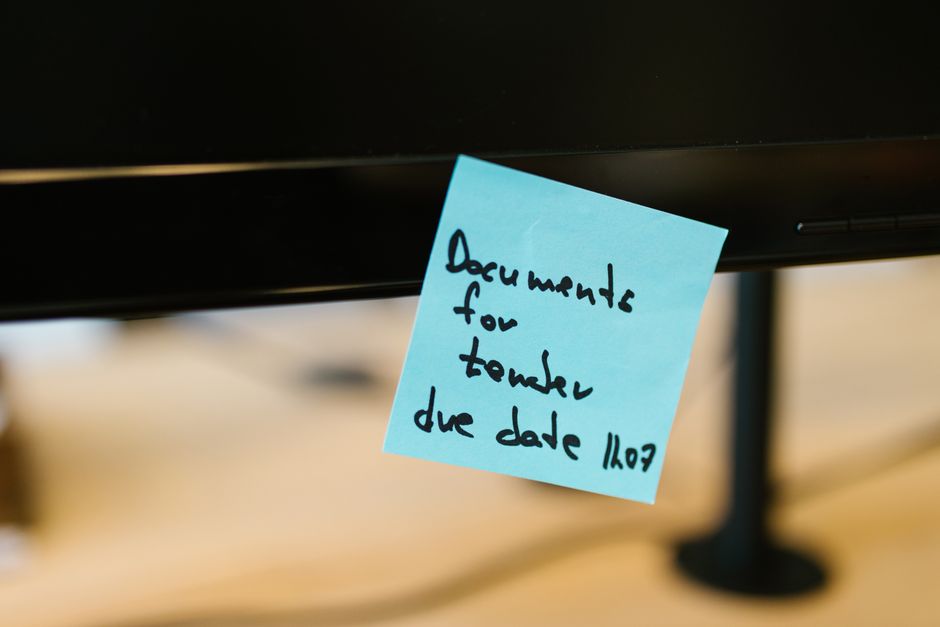
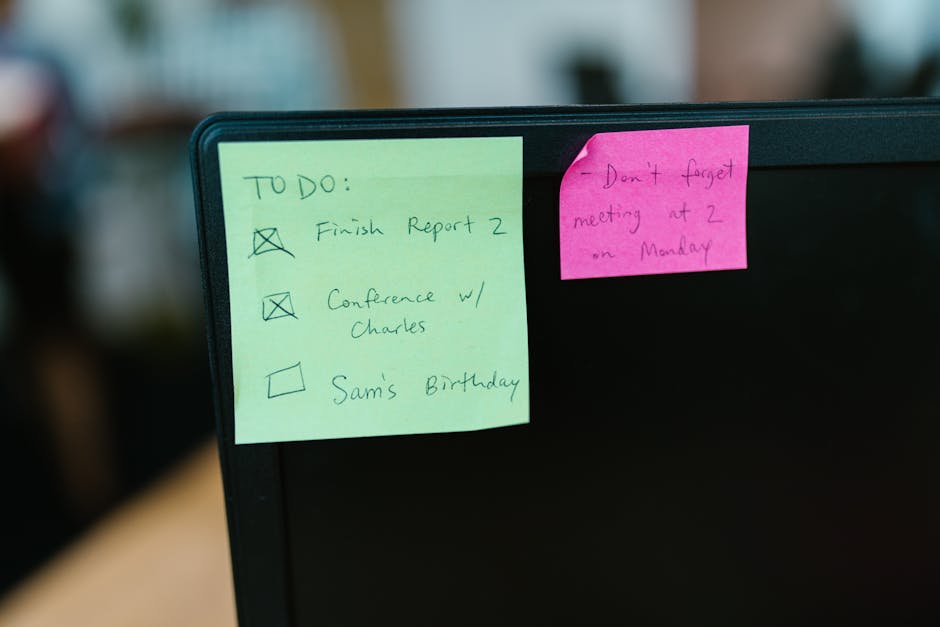
During this ordinary weekday moment, I realize that my desk planning has failed to account for the distractions that come with task switching. Each time I shift my focus, energy drains away, leaving me less productive than before. I quickly jot down my top three tasks on a sticky note, placing it next to my monitor. This small action helps create a visual anchor, but the notifications continue to disrupt my flow. I can’t help but notice how the time I intended to spend on focused work is slipping away, consumed by the very tools meant to enhance my productivity. The tradeoff is stark: managing notifications feels like a necessity, but it often results in a chaotic workflow that leaves tasks half-finished and my energy depleted.
Where the Default Method Breaks Down
A slightly different version of this problem appears in Managing Energy Not Time, where the sequence changes but the hidden drag feels familiar.
Notifications from Slack and email are the arch-nemeses of focused work sessions, especially when the task list feels overwhelming. As I sit at my desk on a typical weekday, I notice the browser tab row filled with open projects, each vying for my attention. This interruption isn't just a minor annoyance; it triggers a cascade of distractions that erode my energy and productivity.
Each time I switch my attention to check the notification, I lose precious momentum. I glance at my calendar, where a focus block is scheduled, but the reality is that my desk planning hasn’t accounted for these constant disruptions. The weak point under pressure becomes clear: without a solid strategy to manage notifications, my workflow devolves into chaos.
To regain control, I decide to implement a small utility move: I place a sticky note with my top three tasks directly next to my monitor. This visual anchor serves as a reminder of what truly matters, but the notifications still loom large. I realize that while I can jot down my tasks, the act of checking each notification chips away at my focus. The tradeoff is evident: managing notifications feels necessary for staying updated, yet it often results in a scattered workflow where nothing gets completed, and my energy is left depleted.
A More Effective Approach: Prioritizing Energy Over Time
If this pattern keeps repeating, Focus Without Burnout extends the idea without leaving the niche.
During an ordinary weekday, I sit at my desk staring at an overflowing browser tab row, each one a potential distraction. My task list is longer than the time I have available, and I can feel my energy slipping away with every Slack notification that pops up. To counter this, I need a structured approach that prioritizes energy management over time management.
- Allocate focus blocks: I start by scheduling one focus block on my calendar dedicated solely to my top three tasks. This block is non-negotiable and becomes a sacred time where I commit to working without interruptions.
- Rewrite tasks each morning: Each day, I take a moment to rewrite my top three tasks on a sticky note and place it directly next to my monitor. This visual cue keeps my priorities clear and helps me resist the urge to shift my attention to less important tasks.
- Limit task switching: I make a conscious effort to close all unnecessary tabs before starting my focus block. By eliminating distractions, I can maintain my energy and flow, allowing me to dive deep into my work without the temptation of checking notifications.
This method contrasts sharply with my previous approach, where I would often switch between tasks, letting notifications dictate my workflow. The difference is palpable: by having a clear focus block and a visual reminder of my priorities, I can channel my energy more effectively. However, the challenge remains—while I can set up my environment for success, the pull of notifications still threatens to disrupt my focus, leaving me to navigate the fine line between staying informed and maintaining my energy.
The Tradeoff: Flexibility vs. Structure
During an ordinary weekday, I find myself staring at a browser tab row filled with open projects, emails, and notifications, all clamoring for my attention. The chaos of my digital workspace often feels overwhelming, making it clear that my energy management needs a solid structure. While traditional time management methods allow for flexible task switching, they often lead to a fragmented workflow, where my energy dissipates across multiple distractions.
Shifting to an energy-focused approach requires upfront planning. I start by rewriting my top three tasks on a sticky note and placing it next to my monitor. This simple act provides a visual cue that helps me resist the urge to check my email or respond to Slack messages. I block out time on my calendar for a dedicated focus block, which feels restrictive at first. However, I quickly realize that this structure allows me to dive deeper into my work without the constant interruptions that previously drained my energy. The tradeoff is significant: by sacrificing some flexibility, I gain a more concentrated and productive work session.
What I give up in spontaneity is compensated by the clarity that comes from knowing exactly what I need to focus on. Instead of juggling tasks based on urgency or notifications, I can channel my energy into completing the most important items on my list. While it may feel rigid at first, this approach ultimately leads to greater overall productivity. The challenge remains in resisting the pull of notifications, but with a clear plan and a focus block on my calendar, I can navigate the fine line between staying informed and maintaining my energy.
When That Alternative Fits Better
During a typical weekday, the struggle to maintain focus often becomes evident when I sit down at my desk, surrounded by an overwhelming number of browser tabs. Each tab represents a task, but the clutter leads to constant task switching, draining my energy before I even start. The result?
To counteract this, I’ve started implementing a calendar block specifically for focus time. I place this block at the beginning of my workday, ensuring that I have a dedicated hour where I silence notifications and close unnecessary tabs. This simple act of planning creates a clear boundary that helps me resist the urge to check in on messages. Before I begin, I rewrite the top three tasks on a sticky note and place it right next to my monitor. This visual cue keeps me anchored to my priorities during that focus block.
While the alternative of managing energy over time might initially feel constraining, it ultimately allows for deeper engagement with my tasks. The tradeoff here is the loss of spontaneity in handling incoming messages, but the clarity gained from concentrating on one task at a time is invaluable. By establishing this routine, I can navigate the friction of notifications and maintain my energy levels, leading to a more productive work session.
When the task list stretches beyond the hours in a day, the friction of constant task switching can drain energy faster than it can be replenished. Notifications from Slack or email can easily pull attention away, making it hard to stay focused on the pressing tasks at hand. By setting a clear calendar block for focused work, I can create a designated space where distractions are minimized. This not only helps in managing energy but also allows for deeper engagement with the work that truly matters.
A practical next step is to take a moment at the end of each day to identify the top three tasks for the next morning. Write them down on a sticky note and place it prominently on your desk. This action not only clarifies priorities but also serves as a tangible reminder to stay on track when the day begins. In this way, managing energy instead of time becomes a seamless part of the workflow, enhancing daily productivity and focus.