The Hidden Steps That Sabotage Your Energy Management
It's a Tuesday morning, and the kitchen table is cluttered with a laptop, a half-drunk cup of coffee, and a stack of papers. The task list on the screen feels endless, with small admin tasks creeping in to steal focus from the real work. A reminder popup flashes at the corner of the screen, demanding attention and instantly stealing the next ten minutes. As the clock ticks, the calendar blocks for meetings loom, leaving little room for deep focus. Each interruption chips away at energy, creating a cycle of task-switching that feels exhausting.
Amidst this chaos, the browser tab row is overflowing with open pages, each one a potential distraction. The simple act of closing unused tabs could free up mental space, yet it often gets overlooked. Instead, the attention is split between tools, reminders, and the growing list of tasks that seem to multiply. This lack of a clear focus block leads to a bottleneck in energy flow, making it difficult to navigate through the day’s demands without feeling drained. Recognizing these overlooked steps is crucial for reclaiming energy and maintaining productivity during busy workdays.
The Overlooked Task List Clutter
At the kitchen table, the task list sprawls across a notepad, filled with small admin items like replying to emails and scheduling appointments. These minor tasks, while necessary, overshadow the key projects that require deep focus. Each item feels urgent, yet they collectively drain energy without yielding significant progress. As the clock inches toward the next meeting, the calendar blocks fill up, squeezing out time for the more substantial work that’s been pushed aside.
A reminder popup flashes at the corner of the screen, demanding immediate attention and instantly stealing the next ten minutes. In that brief moment, the focus shifts, and the larger tasks slip further down the list. The browser tab row, cluttered with open pages related to both admin tasks and core projects, adds to the chaos. Closing unused tabs could provide a clearer view of priorities, yet it’s often the last thing on the mind amid the noise of notifications.
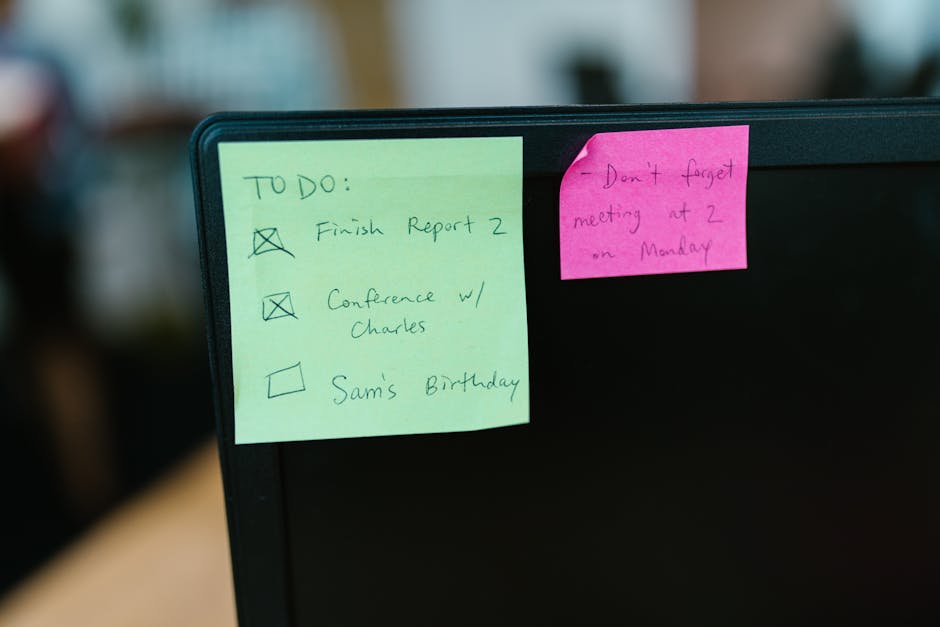
During desk planning, a simple check of the visible task list can reveal how easily small tasks can crowd out what truly matters. A quick glance at the list might show five admin items at the top, while the significant project languishes at the bottom, often forgotten. This imbalance creates a bottleneck in energy flow, making it difficult to engage fully with the more meaningful work. Recognizing this clutter and prioritizing effectively can reclaim energy and enhance daily productivity, allowing for a more focused workflow.
What Gets Missed When Planning Your Day?
On days filled with back-to-back meetings, the tendency to underestimate the energy drain from task switching becomes painfully clear. Sitting at the kitchen table, surrounded by a cluttered browser tab row, the mind is constantly pulled in multiple directions. Each open tab represents a different task—emails to respond to, reports to review, and project plans to finalize. This mental clutter not only fragments focus but also steals precious time. A reminder popup for a meeting can easily consume the next ten minutes, breaking concentration and pushing the larger projects further down the priority list.
During desk planning, a quick glance at the visible task list reveals how easily small admin tasks can overshadow more significant work. For instance, if the list shows five urgent emails at the top, it becomes tempting to tackle them first, even if they are less impactful than the ongoing project. This misalignment creates a bottleneck in energy flow; the mind is engaged in low-value tasks while the core work languishes. To counter this, close unused tabs before starting the day. This simple action can clear mental space and allow for a more focused workflow. Prioritizing tasks becomes clearer when the clutter is minimized, making it easier to engage with what truly matters.
Reordering Tasks for a Focus Block
A slightly different version of this problem appears in Focus Without Burnout, where the sequence changes but the hidden drag feels familiar.
When working from a kitchen table, distractions are everywhere, and the browser tab row can quickly become a cluttered mess. On a busy meeting day, it’s common to have multiple tabs open—emails, project management tools, and even a calendar. Each tab represents a task, but the sheer number can fragment attention and disrupt energy flow. For example, if a reminder popup for an upcoming meeting interrupts your focus, it can derail the next ten minutes, leaving you scrambling to regain concentration.
To combat this, start your day by closing any unused tabs. This small action not only declutters your workspace but also creates a clearer mental landscape for prioritizing tasks. Instead of diving into a list filled with low-impact admin tasks, reorganize your workflow. Begin with a focus block dedicated to your most significant project. Only after that hour should you check emails or tackle smaller tasks. This revised order—focusing on high-value work first—ensures that your energy is directed where it matters most.
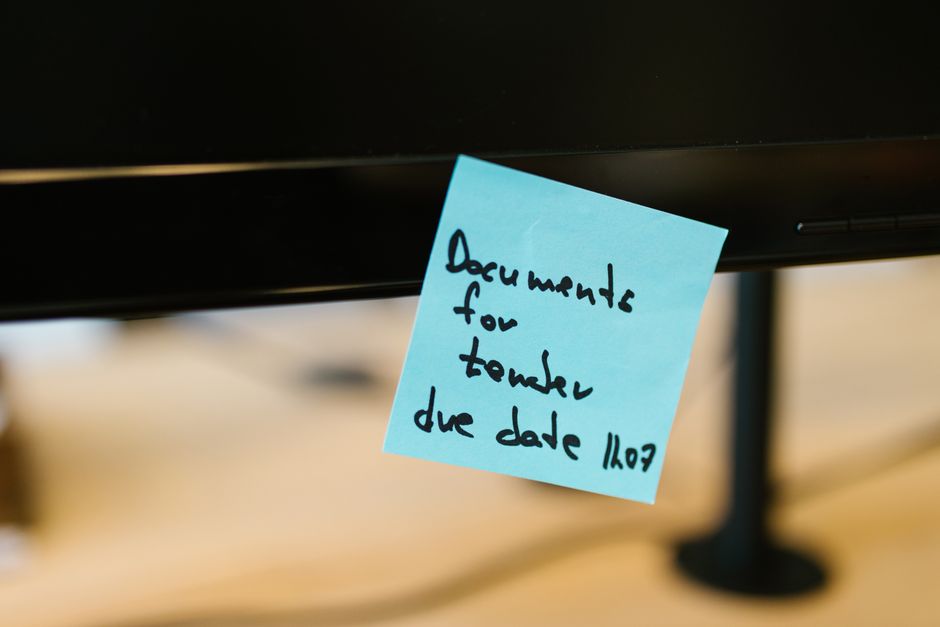
During your desk planning, place your task list in a visible spot, perhaps on a sticky note next to your laptop. This way, you can quickly assess what needs attention without getting sidetracked by less important tasks. By shifting your focus to what truly requires your energy, you minimize the friction caused by task switching and maximize your productivity during those crucial work hours.
The Shift in Productivity After Reassessment
If this pattern keeps repeating, Decision Fatigue Management extends the idea without leaving the niche.
When the calendar is packed with back-to-back meetings, the energy drain can be palpable. Sitting at the kitchen table, you glance at your browser tab row, cluttered with reminders and small admin tasks that seem to demand immediate attention. Each notification feels like a tiny weight pulling you away from deeper work. The moment you prioritize these low-impact tasks during peak focus times, your energy levels drop, and the quality of your output suffers.
By consciously minimizing these distractions, you can significantly enhance your productivity. Start by closing any unused tabs and silencing notifications. This simple act clears your mental space, allowing you to dive deeper into significant work without the constant pull of admin tasks. For instance, if you have a major project due, allocate a focus block of at least 60 minutes first thing in the morning. During this time, avoid checking emails or responding to reminders. Instead, direct your energy solely toward the project at hand.
After implementing this shift, you’ll notice a marked improvement in your ability to concentrate. With fewer distractions, the tasks that once felt overwhelming become manageable, and your workflow becomes smoother. Consider placing your task list prominently on your desk, perhaps on a sticky note next to your laptop, so you can quickly assess priorities without getting sidetracked. This small adjustment not only streamlines your workflow but also ensures that your energy is spent on what truly matters, reducing the friction caused by task switching. As a result, you complete high-value work faster and with greater clarity, even on the busiest of days.
As you navigate through your busy workday, the friction of small admin tasks can easily overshadow the more significant projects on your list. Each time a reminder pops up, demanding your attention, it steals precious minutes that could have been spent on focused work. The clutter in your browser tab row can mirror the chaos in your mind, making it harder to maintain your energy flow. Recognizing these interruptions is crucial; they are the hidden steps that disrupt your productivity.
To combat this, take a moment to close any unused tabs before diving into your next task. This simple action not only clears your digital workspace but also helps refocus your energy on what truly matters. By reducing distractions and streamlining your task list, you can create a more conducive environment for deep work, ensuring that your energy is directed toward high-impact activities rather than getting lost in the noise of constant task switching.