How Managing Energy Not Time Changes When the Setup Gets Simpler
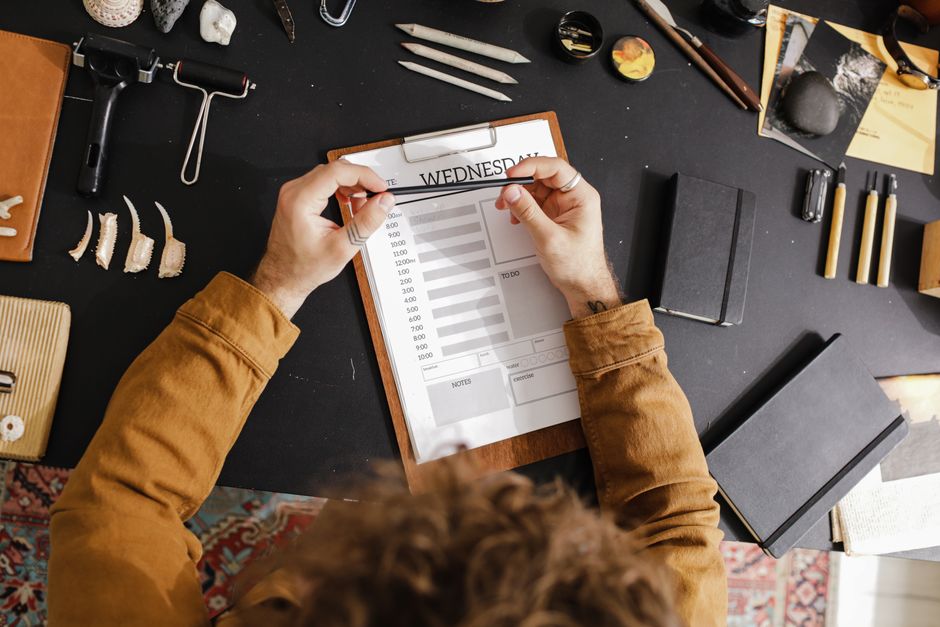
The freelancer sits in front of the monitor, fingers hovering over the keyboard, but the constant ping of Slack notifications pulls attention away from the focus block. Each interruption breaks the flow, making it hard to dive deep into the work session. The task list, though visible, feels more like a reminder of what’s left undone rather than a guide to managing energy effectively.
As the clock ticks, the freelancer glances at the calendar block, noting how the energy dips coincide with task-switching moments. Each time an email notification pops up, it disrupts the mental rhythm, forcing a shift in focus that feels more chaotic than productive. The missed step here lies in not muting notifications before starting the work session. By failing to create a distraction-free environment, the connection between the tasks and the energy required to complete them weakens. This cycle of constant interruption and a mismatched task surface leads to a frustrating experience, where energy management takes a backseat to time management.
The Overlooked Setup: When Intentions Meet Reality
On a typical weekday morning, the freelancer sits at a cluttered desk, where the edge of the monitor barely peeks over a stack of notebooks filled with half-finished ideas. A visible task list, pinned to the wall, highlights the top three priorities for the day: finalize the client proposal, draft a blog post, and review the latest project feedback. However, the intention to tackle these tasks during a focused work session quickly unravels as Slack notifications ping incessantly, pulling attention away from the screen.
Each time a notification pops up, it disrupts the mental flow, forcing a shift in focus from the task at hand to the latest message. The freelancer glances at the calendar block, noting how these interruptions coincide with energy dips, making it hard to maintain momentum. To regain control, muting notifications should be the first step before diving into the work session. Yet, the cluttered setup, with multiple tasks vying for attention, creates a chaotic environment where the task list feels more like a reminder of what’s left to do rather than a structured guide for managing energy effectively.
Steps That Get Lost in the Shuffle
During a typical weekday, the cluttered workspace is filled with a jumble of notebooks and sticky notes, each vying for attention. The desktop monitor, positioned at the edge of the desk, displays a task list that includes important items like finalizing a client proposal and drafting a blog post. Yet, every time a Slack notification pings, it pulls focus away from the screen, derailing the intended workflow. This constant interruption leads to task-switching, where the freelancer shifts their attention from one task to another, depleting energy and momentum.
One often-overlooked step in this chaotic environment is muting notifications before starting a focus block. By failing to do this, the freelancer allows unnecessary distractions to invade their work session. The result is a fragmented attention span, where the original task feels like a distant memory, overshadowed by the latest message or email alert. Instead of engaging deeply with the client proposal, the freelancer finds themselves glancing at the screen to check for updates, which steals both time and mental energy.
To create a more effective workflow, it’s essential to establish a visible task list that prioritizes the top three tasks for the day. This list should be placed directly in view on the monitor, allowing for quick reference without the need to switch screens. When notifications are muted and the task list is clear, the freelancer can maintain a focused energy flow, making it easier to tackle each task in sequence without the constant pull of distractions. However, without this simple adjustment, the work session remains a battleground of interruptions, where energy management is continually compromised.
This same friction shows up again in Focus Without Burnout, especially when the day tightens unexpectedly.
A Better Sequence for Energy Management
During a typical weekday, the cluttered desktop with its array of sticky notes and a half-open laptop often leads to chaotic task-switching. Notifications from Slack and email pop up incessantly, pulling focus away from the primary work session. To combat this, establishing a clear sequence can significantly enhance energy management. Start by muting all notifications on your devices before diving into the focus block. This simple action creates a quieter environment, allowing for deeper concentration on the tasks at hand.
Next, align your task list with your energy levels by prioritizing the top three tasks for the day. Instead of rewriting these tasks repeatedly, place them on a visible sticky note at the edge of your monitor. This way, they remain in sight, reducing the temptation to shift focus to less important tasks. For instance, if your energy peaks in the morning, tackle the most demanding task first, followed by two lighter tasks as your energy wanes. This structured approach not only minimizes friction but also ensures that your work session flows smoothly, allowing you to maintain your focus without the constant pull of distractions.
What Changes When the Sequence Is Cleaned Up?
If this pattern keeps repeating, Managing Energy Not Time extends the idea without leaving the niche.
After muting notifications and aligning your task list with your energy levels, the difference in focus is palpable. Instead of the usual interruptions from Slack or email pings, there’s a refreshing quiet that allows thoughts to flow uninterrupted. This shift transforms the atmosphere around your cluttered desk, where the chaos of multiple tasks previously reigned. Now, a clear focus block emerges, enabling you to dive deep into work without the nagging urge to check messages or switch tasks.
Aligning your calendar block with your natural energy peaks leads to a tangible sense of accomplishment. For example, if you start your work session with the most challenging task when your energy is highest, you can complete it with clarity. Following that, you can transition to lighter tasks as your energy dips, which feels less like a chore and more like a natural rhythm. The top three tasks, written on a sticky note and placed at the edge of your monitor, serve as a constant reminder of what to focus on next, minimizing the chances of drifting into less important work.
This intentional setup not only enhances your focus but also creates a smoother workflow. You’re no longer battling distractions or the temptation to multitask; instead, you’re riding the wave of your energy levels. The result is a more productive work session where tasks are completed in alignment with your natural rhythms, leaving you with a sense of satisfaction at the end of the day.
During a busy work session, the clutter on your desktop can mirror the chaos in your mind. If Slack notifications are constantly pinging, they can pull your attention away just when you’re hitting your stride. Instead of allowing those interruptions to dictate your focus, consider muting notifications and placing a visible task list right by your monitor. This way, you can glance at your top three tasks without losing track of your energy flow.
As you refine your workflow habits, remember that the setup of your physical space impacts your mental clarity. If you find yourself switching tasks too frequently, take a moment to evaluate what’s on your desk. Are the tasks written down in a way that aligns with your energy peaks? By ensuring your focus block is supported by a clear task list, you can maintain momentum and avoid the friction of task-switching. Next time you sit down, check that list first; it can be the difference between a scattered session and a productive one.