Where Managing Energy Not Time Usually Breaks in Real Life
It's a Wednesday morning, and the calendar sidebar on your screen is filled with reminders. You’ve just settled into your chair, ready to dive into a focused work session, but the moment you check your calendar, a reminder popup steals the next ten minutes. This interruption pulls you away from the document you intended to open, forcing you to switch gears before you even begin. Each notification feels like a small but significant crack in your concentration, leading you to question whether your workspace truly supports your focus habits.
As you glance back at your desk, cluttered with notes and half-finished projects, the mismatch between your physical workspace and the mental tasks at hand becomes glaringly obvious. You find yourself toggling between applications, trying to regain that lost momentum. The calendar check, which should streamline your workflow, instead becomes a friction point, diverting your attention and draining your energy. This cycle of task-switching not only disrupts your focus block but also highlights a critical oversight: the environment you’ve designed doesn’t align with the deep work you aim to accomplish.
The Moment of Mismatch: When Focus Fades
As the clock ticks toward the start of your deep work session, the clutter on your desk becomes increasingly distracting. Papers are strewn about, some with scribbled notes, others with outdated information. You reach for your laptop, but the calendar sidebar catches your eye, displaying overlapping tasks that create a sense of urgency. Each reminder is a pull on your attention, a reminder of everything waiting for you, yet none of it aligns with the focused work you set out to do.
Opening your document feels like a chore as you mentally prepare to dive into a complex project. Instead, you find yourself checking the calendar one more time, hoping to confirm that the upcoming meeting is still on track. A reminder popup flashes on the screen, stealing away ten precious minutes as you toggle back and forth between applications. This task-switching not only disrupts your flow but also amplifies the anxiety that stems from a workspace that doesn’t support your focus habits. The mismatch between your physical environment and the mental tasks at hand leaves you questioning how to reclaim your energy before the session even begins.
The First Decision: Checking the Calendar
Before diving into a focused work session, the calendar sidebar glows with reminders, each one a potential distraction. You instinctively click it, thinking a quick glance will help you prioritize. Yet, as the calendar opens, a reminder popup interrupts, demanding your attention. The urgency of the notification feels tempting; it’s a chance to check off a task, but instead, it steals away ten minutes as you toggle between the calendar and your work document.
This decision, made under the pressure of overlapping deadlines, disrupts your workflow. What was intended to be a focused block of time now feels fragmented. The mental energy you hoped to conserve is drained by the task-switching, and the mismatch between your physical workspace and the mental demands of your project becomes all too clear. Next time, consider muting notifications before opening your document to protect your focus. That small adjustment could prevent the calendar from pulling you away from the task at hand.
The Cost of Distraction: Energy Drain
In the midst of a busy workday, the calendar sidebar on your screen blinks with new notifications, drawing your attention. This seemingly harmless action—opening the calendar—leads to a cascade of distractions. The moment you click, a reminder popup appears, demanding immediate attention. You instinctively feel the pressure to address it, thinking it will only take a minute.
However, that minute stretches into ten as you toggle between your calendar and the work document. Each switch pulls at your focus, draining the energy you’ve built up for deep work. You find yourself rereading previous paragraphs, struggling to reconnect with your train of thought.
To mitigate this, consider muting notifications before you begin your focus block. By doing so, you protect your mental space from interruptions, allowing you to maintain a clearer line of thought. This small adjustment can make a significant difference, preventing the calendar from hijacking your attention and preserving the energy needed for productive work sessions.
A Better Approach: Pre-Session Planning
A slightly different version of this problem appears in Managing Energy Not Time, where the sequence changes but the hidden drag feels familiar.
Creating a focused workspace is essential for maintaining energy during busy work sessions. Before you dive into a deep work block, take a moment to declutter your desk. Remove any unnecessary items and keep only what you need for the task at hand. This simple act can help minimize distractions and create a more conducive environment for focus. For instance, if your calendar is open on your screen, close it and set it aside until your session is complete.
- Set a timer for your focus block, ideally between 25 to 50 minutes, depending on your preference.
- Limit your workspace to just your document and any tools directly related to the task.
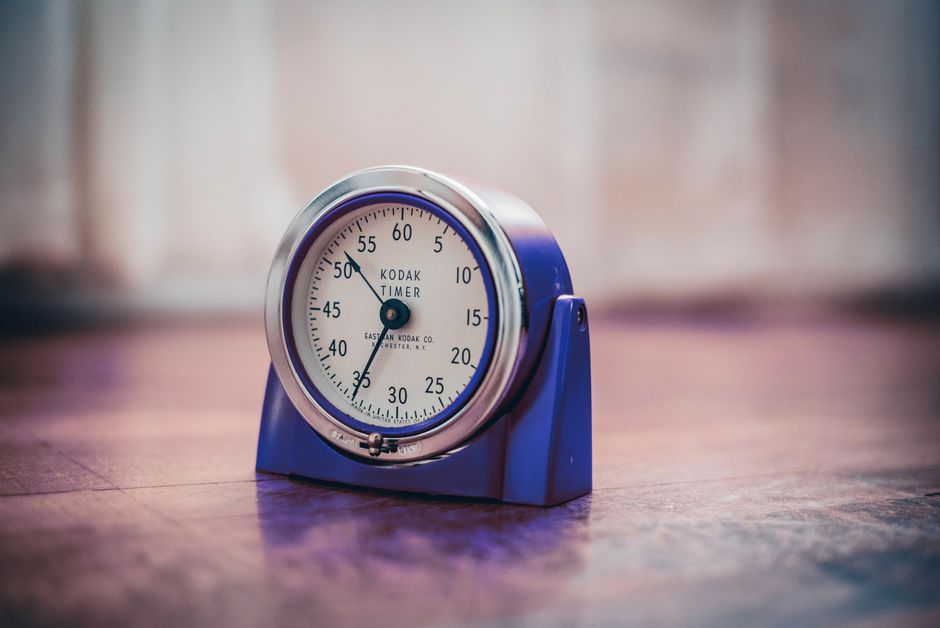
- Consider using a physical timer instead of a digital one to avoid the temptation of checking notifications.
By implementing this pre-session planning, you can better manage your energy, especially during crowded workdays. Aim to start your focus block without checking the calendar until the timer goes off. This way, you’ll protect that initial wave of concentration, allowing for a smoother workflow and reducing the likelihood of task-switching interruptions.
The Outcome of Consistency: Energy Restoration
If this pattern keeps repeating, Focus Without Burnout extends the idea without leaving the niche.
After implementing a focused work session, the difference in energy levels becomes palpable. When the calendar is closed and the only visible screen is the working document, distractions fade. The worker dives into tasks without interruptions, completing them within the designated focus block. This uninterrupted flow leads to a sense of accomplishment, which feeds into the next work session.
During an ordinary weekday, the worker sets a timer for 30 minutes, placing it on the desk beside a notebook filled with notes. With the calendar sidebar minimized and notifications muted, the environment transforms into a sanctuary for productivity.
Each successful focus block builds momentum. The worker notices that finishing tasks without the usual calendar checks results in less mental fatigue. The next session feels smoother, with the mind primed for deep work rather than scattered thoughts. This restored energy not only enhances the quality of work but also reinforces the habit of protecting focus time. The decision to skip calendar checks during these blocks becomes a cornerstone of the daily workflow, leading to a more efficient and energized workday.
As the worker navigates the busy day, the friction between the calendar and the working document becomes increasingly apparent. A quick glance at the calendar sidebar can lead to a reminder popup that steals precious minutes, disrupting the flow of thought. This interruption not only breaks concentration but also drains energy, making it harder to re-engage with the task at hand. By deliberately choosing to minimize distractions and focus solely on the current task, the worker can preserve mental stamina and enhance the quality of output.
Next time a focus block is scheduled, consider placing a muted notification window on the desktop. This small adjustment can serve as a reminder to resist the urge to check the calendar, allowing for a more seamless transition into deep work. Aligning the physical workspace with the mental task is key to sustaining energy levels throughout the day.