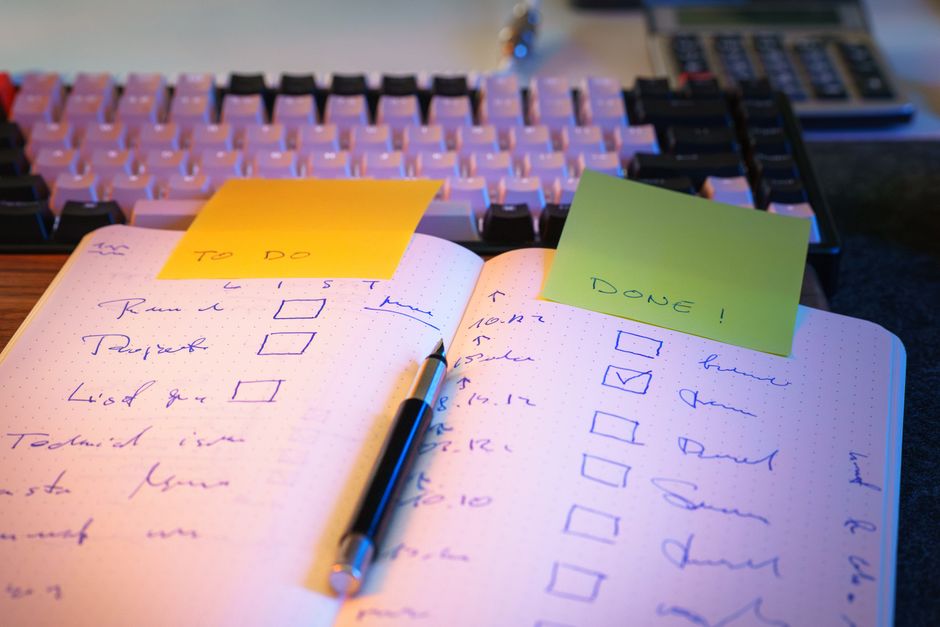
A More Useful Way to Approach Desk Planning

On an ordinary weekday, as the clock ticks toward noon, the desktop monitor edge is cluttered with a dozen open tabs, each representing a small task that demands attention. A reminder popup interrupts the flow, stealing the next ten minutes as the remote worker toggles between a spreadsheet, an email, and a project management tool. The task list feels endless, filled with admin duties that seem to crowd out the real work, leaving little room for focus on more impactful projects.
In the chaos of task switching, the energy required to keep up often overshadows effective time management. Each small admin task, while seemingly harmless, chips away at the mental bandwidth needed for deeper work. A simple adjustment—moving those admin tasks to later in the day—could create a clearer focus block in the morning hours. By prioritizing significant tasks first, the worker can harness their peak energy levels, setting the stage for a more productive day.
The Overloaded Task List That Dims Focus
The remote worker's desktop is a visual representation of chaos, cluttered with a dozen open tabs, each demanding attention. Among them, a spreadsheet for tracking project deadlines, an email client filled with unread messages, and a project management tool displaying overdue tasks create a frantic atmosphere. During a typical weekday work session, the worker attempts to concentrate on a significant project, only to be interrupted by a reminder popup for a small admin task. This distraction steals the next ten minutes, forcing a toggle between tasks that further fragments focus.
The mismatch between available energy and the overwhelming list of tasks becomes painfully evident. Each small admin duty, while necessary, chips away at the mental bandwidth required for deeper work. Instead of diving into the creative aspects of the project, the worker finds themselves stuck in a cycle of task switching. An effective adjustment could be moving those admin tasks to later in the day, allowing the morning hours to be reserved for high-priority projects. By blocking off time on the calendar specifically for focused work, the worker can ensure that energy is directed toward meaningful tasks first, rather than being drained by the clutter of minor duties.
When Small Tasks Steal Your Attention
This same friction shows up again in Managing Energy Not Time, especially when the day tightens unexpectedly.
The email icon flashes, demanding immediate attention. You know that responding to this message is a small task, yet the moment you click to open it, you’re already caught in a web of task switching. What was supposed to be a focused work session now feels fragmented, as each small admin duty, like checking messages or updating a calendar, chips away at your mental energy.
You glance at your task list, cluttered with reminders and quick tasks that seem to multiply. Each time you switch gears, it takes longer to regain your focus, creating a cycle of inefficiency. Instead of diving deeper into your work, you find yourself responding to emails and checking off small tasks that crowd your day.
To combat this chaos, consider moving those admin tasks to later in the day. By blocking off a specific hour on your calendar for focused work, you can prioritize high-energy periods for significant projects. This simple adjustment allows you to reserve your mornings for deeper work, ensuring that the small tasks don’t steal your attention when your energy is at its peak. Check your calendar now: schedule a focus block, and see how it transforms your workflow.
Rearranging Tasks for Better Energy Flow
A slightly different version of this problem appears in Focus Without Burnout, where the sequence changes but the hidden drag feels familiar.
During a typical weekday, your desktop monitor edge is cluttered with open tabs and reminders. You glance at your task list, noticing how small admin tasks like checking emails or updating your calendar seem to take precedence over more significant projects. This constant task-switching not only disrupts your focus but also drains your mental energy, making it harder to dive into deeper work.
To counter this, try moving those admin tasks to a designated time block later in the day. For instance, schedule a one-hour slot in the afternoon specifically for these smaller duties. This adjustment allows you to reserve your mornings for high-energy work sessions, where you can tackle complex tasks uninterrupted. Implement a focus block on your calendar, marking it clearly as "Deep Work" to signal to yourself that this time is sacred. When the reminder popup for admin tasks appears, you can confidently ignore it, knowing those tasks are waiting for their dedicated time.
This small sequence change can significantly impact your overall productivity. By prioritizing your focus during peak energy times, you reduce the friction caused by admin distractions. As a result, you find yourself more engaged and less fatigued, ready to tackle the day's real challenges without the constant pull of smaller tasks. Check your calendar now and see how this simple rearrangement can transform your workflow.
The Ripple Effect of a Simple Adjustment
When you shift smaller admin tasks to the afternoon, the immediate impact is noticeable. The morning work session, now free from distractions, allows you to dive deep into complex projects. This focused time at your desk, with only a few tabs open on your monitor, creates a mental space that feels expansive rather than cluttered. As you tackle challenging tasks, the satisfaction of progress builds, setting a positive tone that carries into the afternoon.
By reserving the morning for high-energy work, you naturally reduce the frequency of interruptions. Those pesky reminder popups for admin tasks that once stole ten minutes of your attention are now absent from your peak productivity hours. The result? Sustained energy levels throughout the day. You find yourself less fatigued and more engaged, as the rhythm of your workflow becomes smoother. Each completed task reinforces your focus habits, allowing you to respect your energy constraints more effectively.
As you plan your desk layout, consider keeping only the most relevant documents and tools within reach during your deep work blocks. This physical organization complements your mental clarity. Check your calendar at the start of each week to ensure you have a designated focus block clearly marked. This simple act of desk planning not only streamlines your workflow but also establishes a routine that respects your energy levels. The afternoon admin tasks can wait, and you can approach them with renewed vigor, knowing your earlier work session has set you up for success.
As you navigate a crowded workday, remember that small adjustments can dramatically shift your energy management. If you find yourself overwhelmed by minor admin tasks, consider moving them to later in the day. This simple change allows you to protect your focus blocks for more demanding work, ensuring your energy is directed where it matters most.
Check your calendar at the start of each week and clearly mark those focus blocks. This visual cue not only reminds you to prioritize your energy but also helps you resist the temptation of task-switching during critical work sessions. By keeping your work surface organized and free from distractions, you can maintain a steady workflow that aligns with your energy levels, making your day more productive.