When Your Work Surface and Task Surface Don't Match: Managing Energy, Not Time
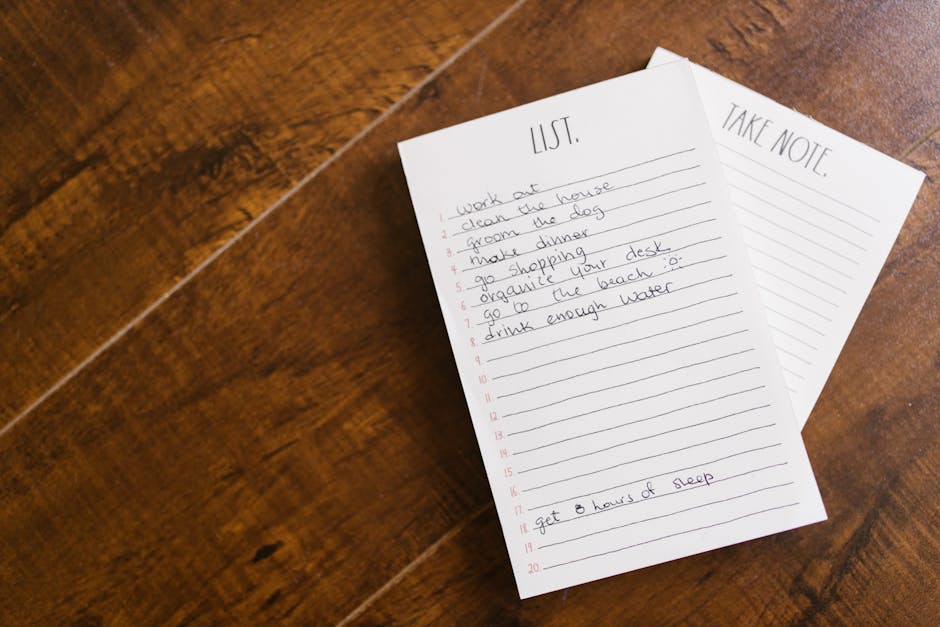
It's a Wednesday morning, and the kitchen table is cluttered with a laptop, a stack of papers, and a half-finished cup of coffee. The task list on the screen feels overwhelming, with three high-priority tasks glaring back, yet the clock keeps ticking down. Notifications from Slack and email pop up like persistent reminders, each one pulling attention away from the focus block intended for deep work. With distractions lurking, the energy to tackle the most pressing tasks begins to dwindle, leaving a sense of frustration as the day slips by.
As the minutes pass, the mismatch between the physical workspace and the demands of the task list becomes glaringly apparent. The kitchen table, while convenient, lacks the structured environment needed for sustained focus. Each time a notification interrupts, it not only breaks concentration but also disrupts the workflow habits that could have been established. The top three tasks never get rewritten, and admin tasks pile up, waiting for a moment that feels right. Moving those tasks to later in the day could provide a clearer path forward, yet the energy to make that adjustment often feels just out of reach.
The Overlooked Setup: Kitchen Table Chaos
The kitchen table is strewn with a jumble of papers, a laptop, and a phone that buzzes incessantly. Each time a Slack notification pops up, it feels like a small earthquake, shaking the fragile focus of the work session intended for deeper tasks. The cluttered surface, while familiar, lacks the boundaries of a dedicated workspace, making it challenging to maintain attention on the top three tasks that never seem to get rewritten. Instead, they sit like heavy weights, overshadowed by the constant pull of incoming messages and the lure of quick admin tasks.
As the minutes tick by, the energy to engage with the priority items diminishes. Each interruption leads to task switching, where the brain scrambles to adjust from one demand to another, further draining focus. A simple adjustment, like moving admin tasks to later in the day, could ease the pressure, but the notifications keep breaking the workflow habits that could have been established. With the browser tab row filled with open emails and the kitchen table cluttered with reminders, the mismatch between the physical workspace and the task demands becomes painfully clear. The energy needed to tackle significant tasks slips away, leaving a lingering sense of chaos and unfulfilled potential.
Steps That Slip Through the Cracks
A slightly different version of this problem appears in Managing Energy Not Time, where the sequence changes but the hidden drag feels familiar.
During a typical weekday at the kitchen table, the clutter of open browser tabs and scattered notes often reveals a hidden friction point: the lack of a dedicated focus block. As the clock ticks towards the next meeting, the mind races through a lengthy task list, yet the most critical items remain untouched. The energy required to engage with these priority tasks is sapped by constant interruptions from Slack and email notifications. Each ping pulls attention away, making it easy to overlook the need for a structured focus block that could have been scheduled at the start of the day.
Admin tasks, which should ideally be planned for later in the day, frequently get pushed aside in favor of immediate responses to incoming messages. This oversight steals not only time but also the mental bandwidth needed for deeper work. The browser tab row, filled with unread emails, acts as a visual distraction, pulling focus away from the top three tasks that never get rewritten. Instead of tackling significant projects, the energy is wasted on quick fixes, leading to a cycle of task switching that further drains productivity.
To counter this, consider implementing a simple check: mute notifications during designated focus blocks. This small adjustment can create a clearer boundary, allowing for uninterrupted work sessions that align better with the physical workspace. However, without this intentional planning, the mismatch between the tasks at hand and the chaotic environment continues to undermine daily productivity, leaving important steps slipping through the cracks.
A Case of Task Switching: The Notification Trap
If this pattern keeps repeating, Focus Without Burnout extends the idea without leaving the niche.
On a typical weekday, sitting at a cluttered kitchen table, the laptop screen is filled with a long list of tasks. Just as the focus block begins, a Slack notification pops up, drawing attention away from the top three tasks that are meant to be tackled. Each ping pulls the mind into a different direction, away from the significant projects that require deep concentration. The browser tab row, littered with unread emails and messages, becomes a constant reminder of unfinished business, creating a sense of urgency that disrupts the flow of work.
This interruption leads to a frustrating cycle of task switching. Each time a notification is checked, it delays the return to the primary tasks, causing energy to be wasted on trivial responses instead of meaningful progress. The intended workflow clogs up, as the brain struggles to regain focus after each distraction. To mitigate this, one practical step is to mute notifications during focus blocks. By establishing this boundary, the chances of maintaining a clear line of sight on the essential tasks increase, allowing for more productive work sessions. However, without this adjustment, the mismatch between the chaotic environment and the tasks at hand continues to drain energy, leaving important steps overlooked and the day feeling unproductive. A Cleaner Order for Task Management Amidst the clutter of a kitchen table, where the laptop screen flickers with Slack notifications, a clearer task management order can drastically shift energy levels. When the task list exceeds the available time, the chaos of incoming messages can derail focus and drain mental resources. To combat this, establishing a structured approach to your work sessions is essential.
- Mute all notifications before starting your focus block to minimize distractions.
- Prioritize your top three tasks at the beginning of the day and keep them visible on your screen.
- Use a calendar block for dedicated work sessions, ensuring that these periods are free from meetings or interruptions.
By muting notifications and focusing on the top three tasks, you set a clear intention for your work session. When the next time block arrives, you can open your task list, check off completed items, and shift your attention to the next priority without the nagging pull of distractions. This way, the mismatch between your chaotic environment and your intended workflow can begin to align, allowing for a more productive day.
What to Check Before the Next Notification Distracts You
Before diving into the chaos of a meeting-heavy day, take a moment to glance at your task list. If you notice that your browser tab row is cluttered with multiple Slack and email notifications, it’s a clear signal that your focus is about to be compromised. A quick check of your top three tasks should be the first action of your work session. This ensures that you’re not rewriting tasks unnecessarily, which can lead to confusion and wasted energy.
Once you’ve identified your three priorities, place them in a visible spot on your screen. This could be a sticky note on your monitor or a dedicated section in your task management app. As you begin your focus block, mute all notifications to create a distraction-free environment. If you find yourself shifting between tasks due to incoming messages, remember to keep your top three tasks visible and check them off as you complete them. This simple adjustment can prevent the mismatch between your chaotic workspace and your intended workflow, allowing you to maintain energy and focus throughout the day.
The Shift After a Clearer Sequence
When the work surface aligns with the task demands, the feeling of accomplishment after completing tasks becomes palpable. Sitting at the kitchen table during a busy weekday, I often find myself staring at a long task list that seems to stretch beyond the available hours. The clutter of my browser tab row, filled with Slack notifications and email alerts, only adds to the chaos. However, when I prioritize my top three tasks and keep them visibly pinned on my monitor, I can feel the shift in my energy levels almost immediately.
During a recent focus block, I decided to mute all notifications and set a timer for 25 minutes. This simple move created a bubble of quiet, allowing me to dive into my most pressing tasks without the usual interruptions. I noticed that as I checked off each task, a sense of clarity emerged. The physical act of crossing items off my list not only provided a visual cue of progress but also fueled my motivation to continue. It became clear that a well-structured workflow, where I moved admin tasks to later in the day, allowed me to conserve energy for high-priority work sessions.
One realistic improvement was the decision to open my task management app first thing in the morning rather than getting distracted by emails. This shift in sequence meant that I could start my day with intention, focusing on what truly mattered. As I completed each task, I felt my energy levels rise, reinforcing the importance of matching my workspace with my task demands. Maintaining this alignment throughout the day can make all the difference in sustaining focus and productivity.
When your task list exceeds the time available, the friction between your workspace and task demands becomes glaringly apparent. On days filled with back-to-back meetings, I often find myself flitting between Slack notifications and my task management app, leading to a constant state of task switching. Each ping pulls me from my focus block, making it harder to engage deeply with the work at hand. I’ve learned that muting notifications during high-priority work sessions can help mitigate this disruption. By silencing distractions, I create a clearer boundary that allows me to maintain energy and focus.
As I navigate my day, I make it a point to review my calendar first thing in the morning, prioritizing my top tasks without the interference of incoming messages. This simple adjustment ensures that I’m not only aware of my commitments but also prepared to tackle my most demanding tasks when my energy is at its peak. The next time you face a packed schedule, consider moving admin tasks to later in the day. This shift can help align your energy levels with your most critical work, enhancing your overall productivity.


