What Slips First in Energy Management on Busy Days?
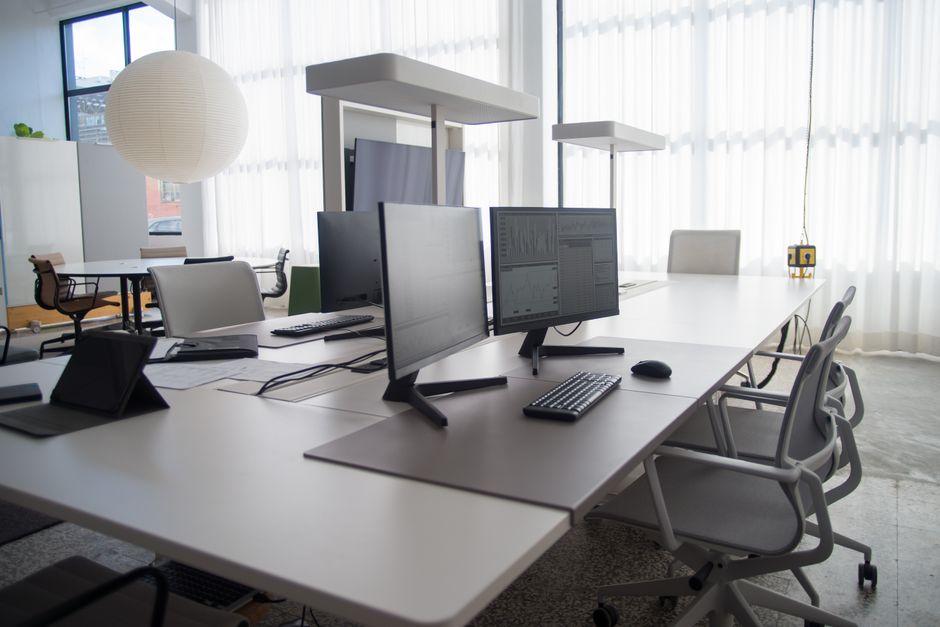
At 10:15 AM on a Tuesday, the freelancer's desk is cluttered with open tabs, a task notebook filled with half-finished thoughts, and a calendar displaying back-to-back meetings. Each reminder popup steals precious minutes, pulling focus away from the current task. The energy to dive deep into a project is overshadowed by the constant ping of notifications and the pressure of the next meeting. As the clock ticks, the desk surface becomes a battleground of competing priorities, where attention is split between tools and reminders, making it hard to maintain a productive workflow.
In this chaotic environment, the freelancer realizes that the sequence of tasks doesn’t match the energy available. Instead of closing unused tabs or muting notifications, they find themselves jumping from one task to another, losing momentum. Each interruption not only disrupts focus but also drains energy, making it difficult to engage fully in the next work session. This cycle of task switching and unaddressed distractions reveals a critical oversight in managing energy: the failure to align the desk planning with actual focus habits, leading to a disjointed approach to daily productivity.
The Moment Before the Drift
The desk is a chaotic landscape, cluttered with open tabs and a task notebook filled with half-finished thoughts. It’s an ordinary weekday afternoon, and the freelancer glances at the screen, where a reminder popup steals the next ten minutes, pulling focus away from the current project. Each tab represents a task waiting for attention, but instead of diving into one, the freelancer finds themselves juggling multiple threads, leading to a split focus that saps energy.
As the clock ticks, the freelancer attempts to regain control by muting one notification window, hoping to carve out a focus block. However, the desk planning hasn’t aligned with the energy available; the sequence of tasks feels mismatched. Closing unused tabs should be the first step to decluttering the mental space, yet the urge to check each one lingers. This friction reveals a deeper issue: the environment doesn’t support the workflow habits needed to sustain attention. With every distraction, the potential for a productive work session slips further away, leaving the freelancer to navigate a maze of interruptions.
When the Routine Begins to Slip
On a typical weekday, the freelancer sits at a cluttered desk, the task notebook open beside a laptop filled with multiple tabs. Each tab represents a potential project, but the overwhelming number creates a sense of chaos rather than clarity. As they prepare to dive into a focus block, a reminder popup interrupts the workflow, stealing ten minutes. The screen flashes with an alert for a meeting that’s about to start, pulling attention away from the current project. The sudden shift in focus disrupts not just the task at hand but also the mental energy needed to transition smoothly.
The desk surface, littered with notes and half-finished tasks, does not align with the sequence of work planned for the day. This misalignment leads to confusion about what should come next. Instead of a clear path through the tasks, the freelancer finds themselves hesitating, unsure whether to tackle the meeting prep or return to the writing project. The absence of a muted notification window adds to the chaos; every ping from the phone feels like an additional weight on an already strained attention span.
To regain control, the freelancer must first close unused tabs, a simple action that can declutter the mental space. Yet, the urge to check each one lingers, creating a friction point that delays progress. This moment reveals a critical insight: without a focused environment that supports the planned workflow habits, the potential for a productive work session slips further away. The desk, instead of being a launchpad for creativity, becomes a barrier, leaving the freelancer navigating a maze of interruptions and uncertainty.
Why Attention Splits on Busy Days
During a typical weekday, the freelancer's desk is cluttered with open tabs, a task notebook, and a calendar full of back-to-back meetings. Each task listed feels urgent, but as the day unfolds, cognitive friction mounts. The intention to focus on writing is overshadowed by the looming prep for a client meeting, creating a mental tug-of-war. Without a clear order of operations, the mind races through tasks, leading to a chaotic workflow instead of a streamlined focus block.
Task switching becomes a silent energy thief. Each time the freelancer glances at the task notebook, a reminder popup steals the next ten minutes, pulling attention away from the primary work session. The desk, instead of being a supportive environment, becomes a chaotic landscape filled with distractions. The decision to leave notifications on, believing it will keep everything on track, only exacerbates the problem. The hidden step of muting notifications could have provided a clearer path to focus, yet it often slips through the cracks of busy days.
Good intentions alone don’t suffice when the desk surface doesn’t align with the task sequence. The freelancer may plan to tackle the writing project first, but without closing unused tabs or organizing the workspace, the environment remains a barrier. As energy drains from the constant switching and interruptions, the potential for a productive session diminishes. Each task feels like a mountain, and the ideal workflow becomes a distant memory, lost in the clutter of a busy day.
A Simple Adjustment to Regain Focus
If this pattern keeps repeating, Managing Energy Not Time extends the idea without leaving the niche.
Amid a crowded meeting day, the freelancer's desk is cluttered with half-opened tabs, each one beckoning for attention. As the clock ticks closer to the next meeting, energy begins to wane, and focus slips away, largely due to the distractions lurking in the browser. A reminder popup steals the next ten minutes, pulling attention away from the writing task.
To regain control, start by closing all non-essential tabs before diving into a focused work session. This simple action clears visual clutter and reduces the temptation to switch tasks mid-flow. Setting a timer for 25 minutes can also create a clear boundary for the focus block, allowing the freelancer to concentrate fully on the writing without the constant pull of notifications. If the phone is nearby, muting it can also help eliminate distractions, ensuring that the only sounds are those of the keyboard and the occasional sip of coffee.
The desk setup plays a crucial role in this process. By aligning the notebook with the computer screen and keeping only the necessary tools within reach, the workspace transforms into a supportive environment for productivity. Each small adjustment, like closing those tabs and muting notifications, builds a stronger foundation for sustained focus. Without these tweaks, the freelancer risks losing energy to the chaos of multitasking, making it harder to accomplish even simple tasks.
A Quick Check That Prevents More Drift
This same friction shows up again in Focus Without Burnout, especially when the day tightens unexpectedly.
On days packed with meetings, a freelancer often finds their attention splintered across multiple screens and tools. A quick glance at the desk reveals a task notebook, a laptop with a dozen open tabs, and a calendar filled to the brim. Each reminder popup can steal precious minutes, pulling focus away from the task at hand. To minimize this drift, a simple yet effective check can be implemented: close all unused tabs before starting a new focus block.
Position the task notebook directly in front of the laptop screen, ensuring it’s the first thing seen when shifting back to work. This visual cue acts as a reminder to stay on track. Before diving into the next task, take a moment to mute notifications on the computer. One muted notification window can significantly reduce interruptions, allowing for a smoother transition between tasks. As you prepare to begin, ensure that only the necessary tools remain visible on the desk. This small adjustment not only clears physical clutter but also mentally signals readiness to concentrate.
By making these quick checks part of the routine, the freelancer can prevent energy from leaking into distractions, creating a more conducive environment for sustained focus. Each time a reminder steals ten minutes, it becomes increasingly clear that managing the workspace is just as crucial as managing time.
What Gets Easier in the Next Time Block
When the calendar is packed with back-to-back meetings, the desk can quickly become a chaotic hub of distraction. During one ordinary weekday, the laptop screen is filled with multiple tabs, each one vying for attention. Closing unused tabs becomes a critical habit, as it prevents the mind from wandering into unrelated tasks. This simple action can save precious minutes that might otherwise slip away while toggling between screens.
Before diving into the next focus block, take a moment to check that the task notebook is open and positioned directly in front of the laptop. This placement not only serves as a visual anchor but also prompts a quick review of what needs to be accomplished next. With the notebook in view, it’s easier to resist the temptation of checking notifications that could easily derail concentration. By muting notifications on the computer, distractions are minimized, allowing for a smoother transition into the next session.
As the freelancer prepares to engage with the next task, the desk should be cleared of all but the essential materials. This small adjustment creates a mental signal to focus, reducing the likelihood of energy being drained by unnecessary clutter. Each time a reminder popup steals ten minutes, it reinforces the importance of managing the workspace effectively. The next time block feels more manageable, as the environment is now tailored for sustained focus, rather than a battleground of interruptions.
During those hectic meeting days, it’s easy to overlook how energy management slips through the cracks. The desk, cluttered with sticky notes and open tabs, becomes a visual noise that competes for attention. Instead of focusing on the next task, the freelancer finds themselves distracted by a reminder popup, losing precious minutes that could have been spent on meaningful work. Each interruption not only fragments concentration but also drains energy, making it crucial to establish a workspace that supports sustained focus.
As the day progresses, take a moment to close unused tabs and mute notifications. This simple act can create a clearer mental space, allowing the next focus block to feel less daunting. By consciously managing the workspace and minimizing distractions, the freelancer sets the stage for a more productive session. The next time a calendar overload threatens to derail energy levels, remember to check the desk setup first—ensuring it aligns with the task sequence can make all the difference.