Why Calendar Block Often Works Better With a Smaller Setup
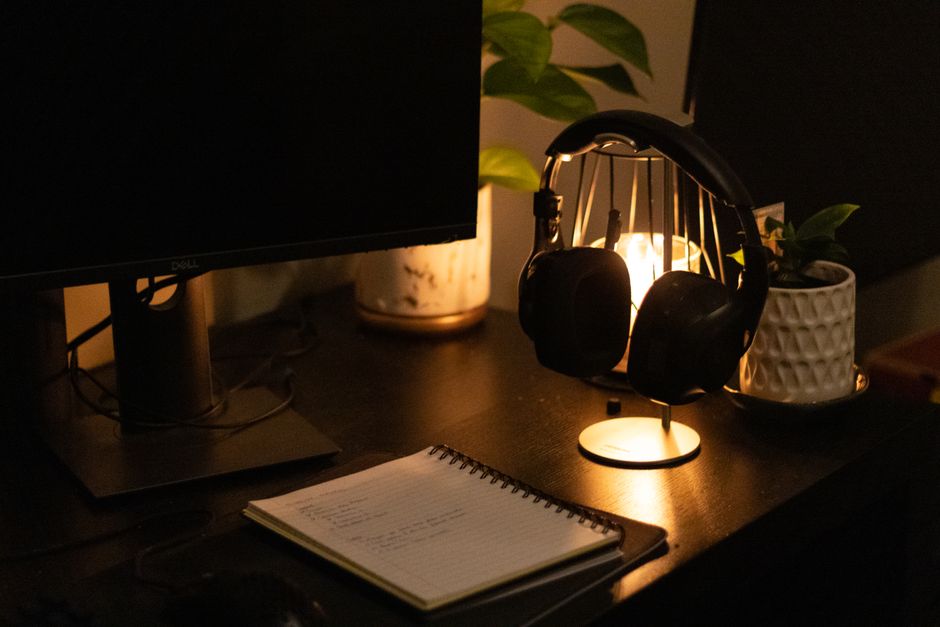
It's a Tuesday afternoon, and your desk is cluttered with half-opened tabs and a to-do list that seems to grow longer by the minute. With a quick glance at your calendar sidebar, you remind yourself that this is your designated focus block, a precious hour carved out for deep work. Yet, just as you begin to type, a Slack notification dings, pulling your attention away.
This scenario highlights a common friction point: the energy drain that comes from task-switching during a busy work block. Each interruption, whether from email or chat notifications, disrupts your focus and increases the cognitive load, making it harder to return to that initial task. In the chaos of managing multiple demands, it’s easy to overlook the importance of setting boundaries for admin tasks. Moving those to later in the day could help preserve your energy for the work that truly matters, but it requires a conscious decision to check your task list and prioritize effectively before diving into the day’s distractions.
The First Step That Gets Skipped
During a typical weekday, you sit down at your desk, glancing at the calendar sidebar on your screen. It’s a familiar sight: a block labeled "Focus Time" sits there, promising an hour of uninterrupted work. But as you prepare to dive into your current project, you notice a few admin tasks lingering on your to-do list, their urgency pulling at your attention. The intention to focus on deep work is often derailed by the notifications pinging from Slack and email, each one a tiny energy thief.
In this moment, the desk planning feels rushed. You might think, "I can handle a quick email check before getting started," but that’s a common misstep. Each time you switch gears, your brain has to recalibrate. This back-and-forth creates friction, consuming energy that could be better spent on meaningful tasks. Instead of jumping into admin work, consider moving those tasks to later in the day. This simple adjustment allows you to protect your focus block, making it easier to maintain momentum.
To make this shift, take a moment before your focus block begins. Open your task list and physically move any admin tasks to the afternoon. By doing so, you create a clear boundary and signal to yourself that this hour is dedicated solely to deep work. This small act of prioritization can transform your workflow habits, allowing you to engage fully with your most important tasks while minimizing the disruptions that drain your energy.
What Gets Forgotten During Task Switching
As you sit down at your desk, the calendar sidebar shows your carefully planned focus block for the next hour. Yet, the moment you sit down, a Slack notification pings, and your attention wavers. This is the first step in a familiar cycle where focus is lost and energy is drained.
Each time you check a message or glance at an email, you’re not just shifting your attention; you’re also losing the momentum it took to get into a productive state. This friction is often overlooked, but it’s a hidden step that disrupts your energy management. Instead of allowing notifications to dictate your workflow, consider checking your email only after your focus block ends. Physically moving your email tab to a separate window or minimizing it can create a visual cue to resist the urge to switch tasks.
By implementing this small adjustment, you’re not just protecting your focus block; you’re also preserving your mental energy for the work that truly matters. The cost of switching back and forth is more than just time; it’s the cognitive load that comes with reorienting your thoughts. As you plan your day, ensure that admin tasks are scheduled for later, allowing you to engage fully with your deep work without the constant pull of notifications. This shift in your approach can significantly enhance your workflow habits, making it easier to stay in the zone and complete your tasks efficiently.
A Better Order for the Same Five Minutes
A slightly different version of this problem appears in Managing Energy Not Time, where the sequence changes but the hidden drag feels familiar.
The temptation to dive into those emails is strong, especially when notifications pop up, but I’ve learned that managing my energy effectively means resisting that urge.
In this five-minute reset, I take a moment to physically rearrange my workspace. I close the email tab and minimize my Slack window, creating a visual barrier against distractions. This simple act of moving those tabs out of sight helps me focus on the task at hand. I glance at my calendar sidebar again, where I’ve blocked out an hour for deep work, clearly marking it as "Focus Time". This visual cue reinforces my commitment to stay on track.
This shift in order not only enhances my workflow habits but also prevents the cognitive load that comes from switching tasks. By moving admin tasks to a later time block, I can engage fully with my deep work, ensuring that my focus remains uninterrupted.
What Changes When Focus is Protected
If this pattern keeps repeating, Focus Without Burnout extends the idea without leaving the niche.
In the midst of a crowded work block, a clean desk can make all the difference. I’ve noticed that when I take a moment to clear my workspace, the clutter on my desk reflects the clutter in my mind. This small act of decluttering creates a physical space that encourages mental clarity.
The energy I conserve during this focused block translates into higher productivity throughout the day.
During this focus block, I also implement a practical check: I set a timer for 25 minutes. This not only reinforces my commitment to stay on task but also creates a clear boundary that helps me resist the urge to check my email or Slack. When the timer goes off, I can assess my progress without breaking my flow.
By rearranging my tasks to prioritize deep work, I’ve shifted my workflow habits. The energy I once wasted on switching tasks is now channeled into meaningful work, making my days feel more productive and less fragmented. I can tackle admin tasks later, allowing for a more sustainable rhythm that keeps my focus sharp and my energy levels high.
As I glance at my calendar sidebar, I realize how easily I can let notifications disrupt my focus. The temptation to switch gears for a quick response can derail the energy I’ve built during my deep work block. Instead, I’ve learned to keep my admin tasks, like responding to emails or Slack messages, scheduled for later in the day. This simple adjustment allows me to maintain my momentum without the constant pull of distractions.
Next time I sit down for a focused work session, I’ll take a moment to review my visible task list and ensure that only priority projects are in view. By keeping my environment clear of unnecessary tasks, I can protect my energy and truly engage with the work at hand. It’s these overlooked steps in managing energy—not just time—that can create the biggest bottlenecks in my productivity.


